
Invest in the real estate behind residential healthcare.
Ordinary homes become licensed care facilities, leased to healthcare operators. Keep scrolling to watch one get built.
From family home to licensed care facility.
Rocfey acquires ordinary residential homes, converts them for licensed care use, and leases them to healthcare operators. Drag the slider to compare the same home before and after conversion.
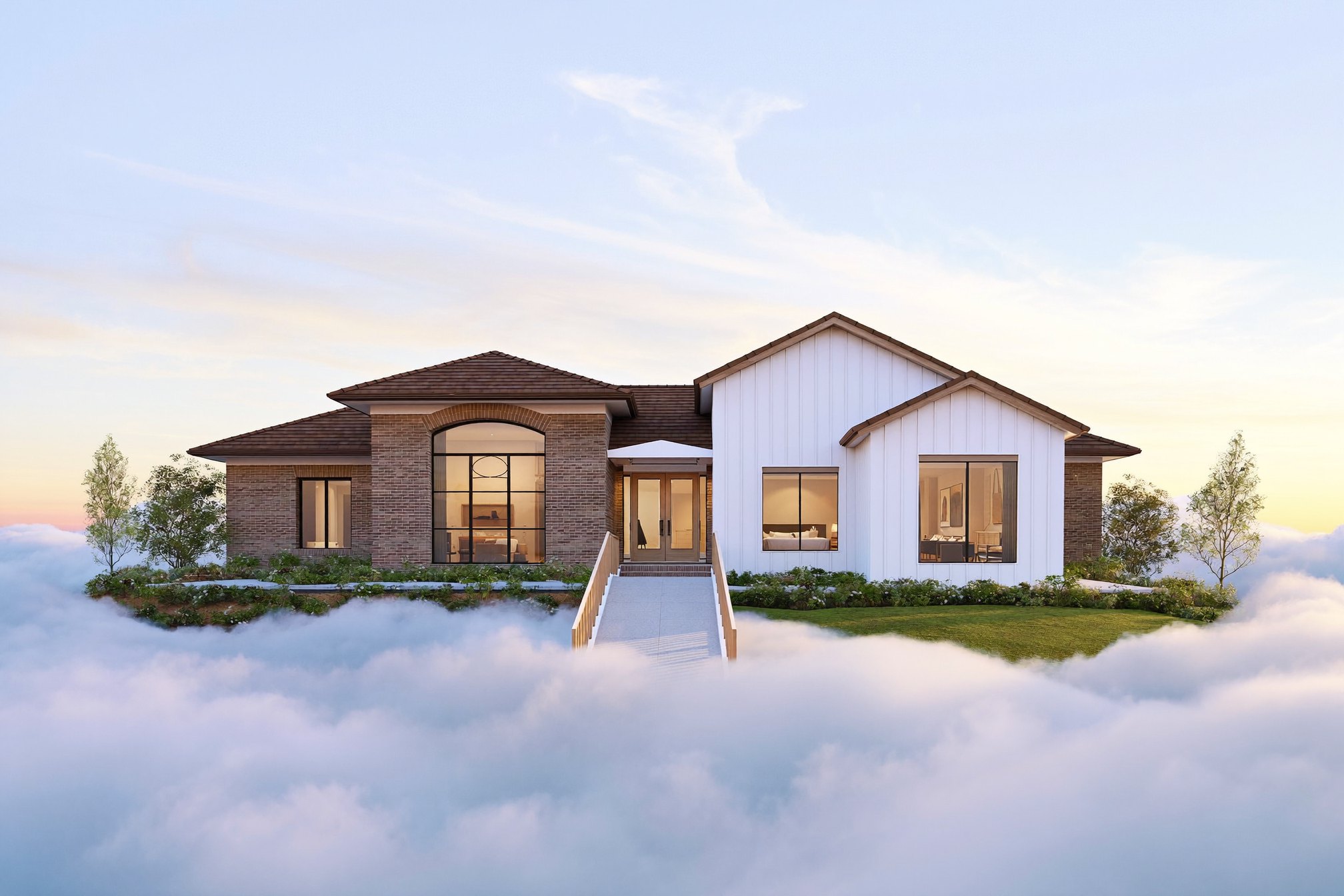 After · licensed care
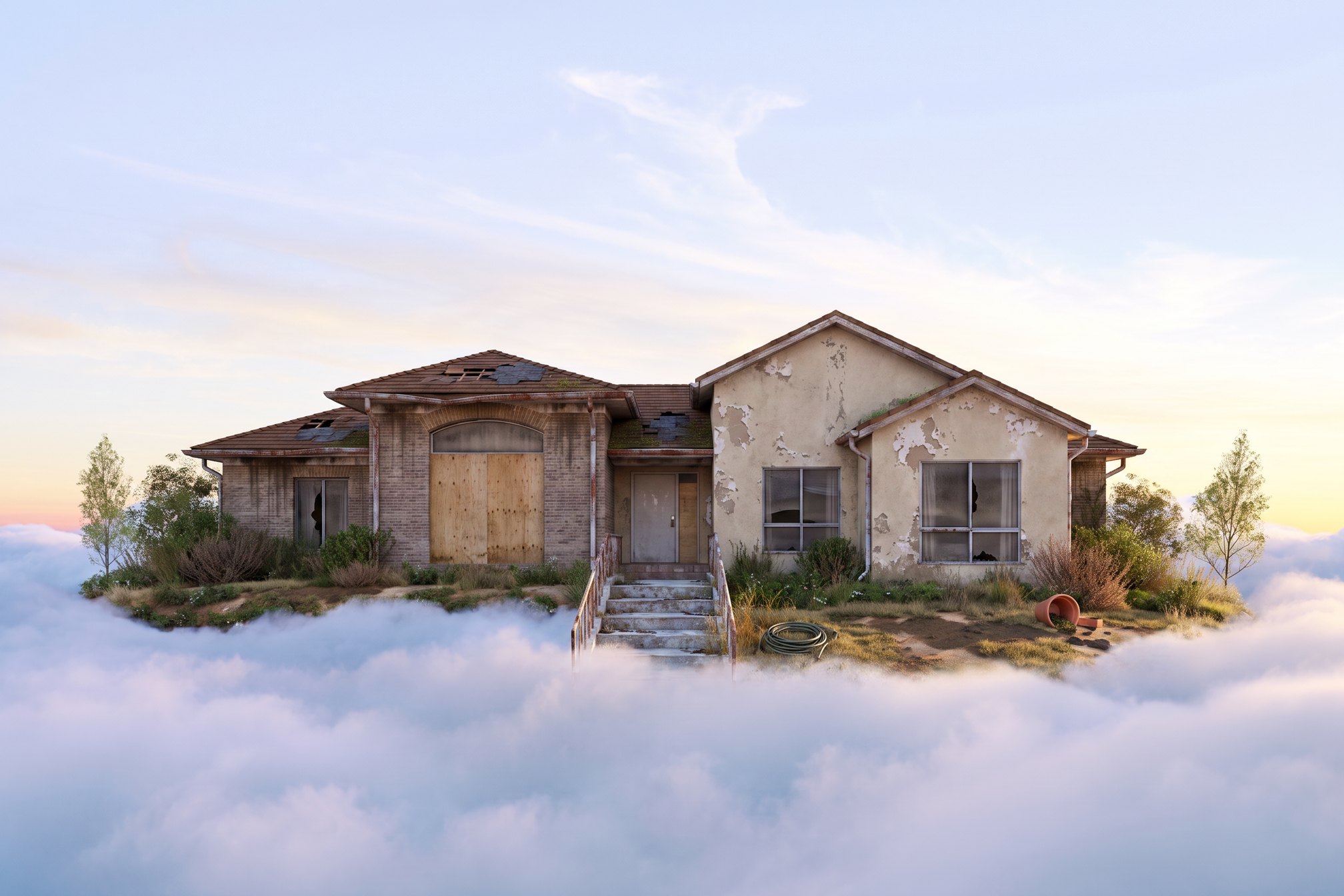 Before · residential
Drag to see the transformation - an acquired, entitled residential home is built out and licensed for care, then leased to a healthcare operator. Illustrative concept imagery.
Investment opportunities are available only to accredited investors where permitted by law. All investments involve risk, including possible loss of principal.
The stability of commercial. The appreciation of residential.
Rocfey homes are leased to licensed commercial care operators - not individual residential tenants. So each asset combines the long, stable leases of commercial real estate with the stronger appreciation and higher rent of an enhanced residential home.
Typical home rental
- Lease term
- ~1-year lease
- Turnover
- Higher tenant turnover
- Appreciation
- Strong home-value growth
- Rent
- Standard market rent
- Oversight
- Landlord–tenant rules
One side of the trade-off only
Residential + commercial
- Lease termfrom commercial
- ~5-yr lease + 5-yr option
- Turnoverfrom commercial
- Low - licensed operator tenant
- Appreciationfrom residential
- Home-value growth + lease income
- RentRocfey edge
- Higher - added sq ft & care use
- OversightRocfey edge
- State-licensed (DSS / CDPH)
Typical commercial building
- Lease term
- Multi-year lease
- Turnover
- Lower turnover
- Appreciation
- Cap-rate / inflation-linked
- Rent
- Commercial rent
- Oversight
- Commercial lease
One side of the trade-off only
strength trade-offThe Rocfey model keeps every ✓ - each strength drawn from residential, commercial, or its own conversion edge.
Why it matters
Read the full breakdownOrange County housing, historical and illustrative. Not guaranteed.
Invest at the stage that fits your goals
Every Rocfey opportunity is offered at one of two clearly labeled stages.
Pre-Buildout / Post-Plan Approval
The property is acquired and conversion plans are approved. Investors participate before buildout is complete, ahead of stabilization.
Stabilized Tenant
The property is built out, a healthcare operator tenant is in place, and the real estate has stabilized lease income - a lower-risk, income-oriented profile.
Choose how you invest
Pick individual deals at the stage that fits you, or get diversified exposure through a Rocfey fund.
Stage 1 - Property Investments
Earlier-stage access to individual Rocfey-originated healthcare conversion projects after plan approval and before stabilization.
Stage 2 - Stabilized Properties
Invest in individual residential healthcare properties with operators or tenants already in place.
Rocfey Diversified Funds
Invest across a portfolio of minority interests in healthcare residential real estate assets originated and managed by Rocfey.
Investment opportunities are available only to accredited investors where permitted by law. All investments involve risk, including possible loss of principal.
Sample active opportunities
Illustrative deals across both stages. Figures are fictional and for demonstration only.
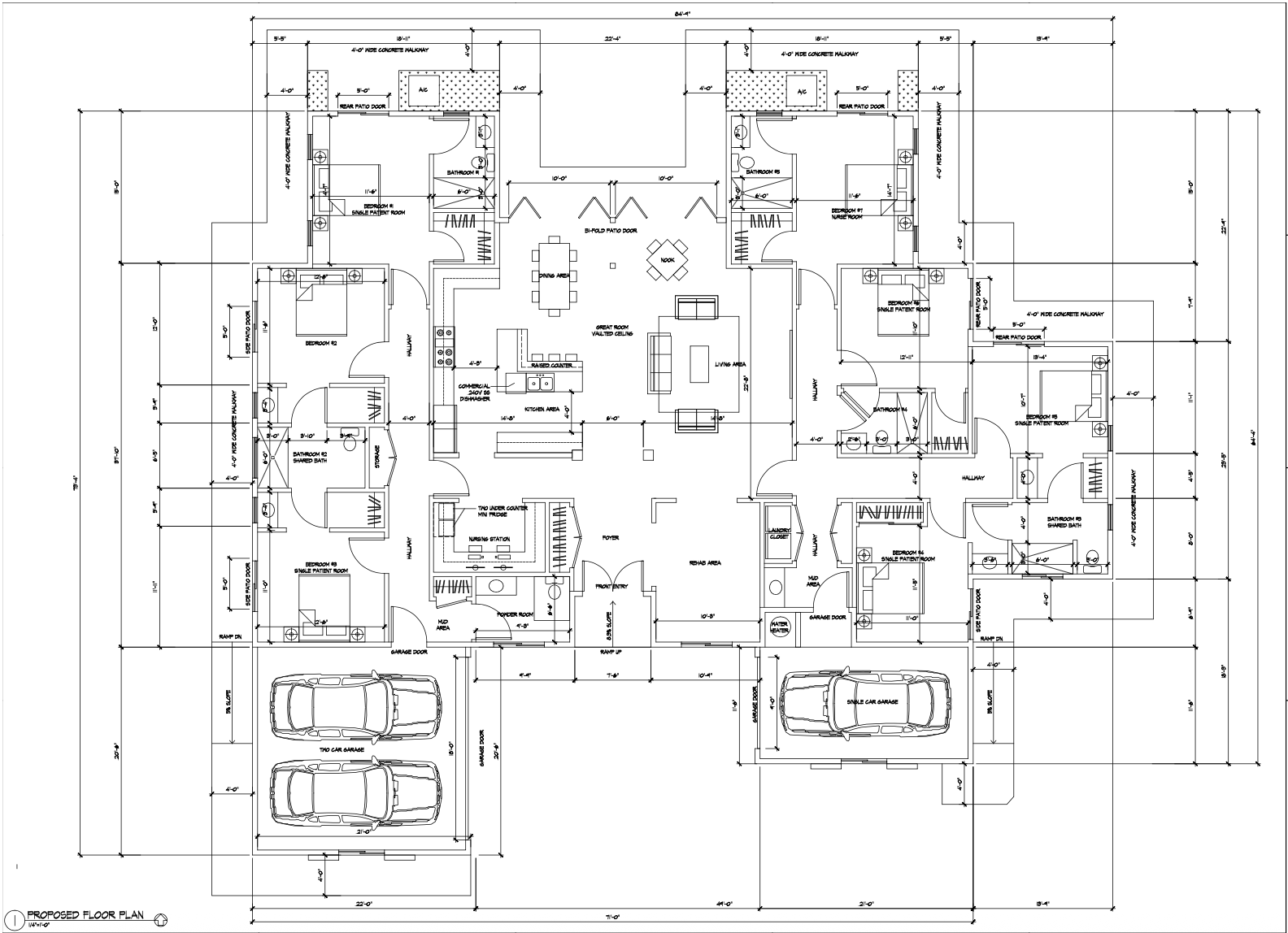 RCFE
RCFERainbow Residential Care Conversion
Santa Ana, Orange County
Orange County Stabilized Care Home
Orange, Orange County
CLHF Micro-Facility Conversion
Anaheim, Orange County
The Rocfey process
How a residential home becomes a stabilized, operator-leased healthcare asset.
Identify
Rocfey sources residential homes suited to healthcare conversion in high-demand submarkets.
Underwrite
Each property is underwritten for conversion cost, licensing path, operator demand, and stabilized value.
Entitle & approve
Plans are prepared and approvals pursued so the property can be licensed for care use.
Build out
The home is converted to meet RCFE, CLHF, or ALW-supported requirements.
Stabilize
A healthcare operator tenant is placed and the asset reaches stabilized lease income.
Exit
Value may be realized through refinance, sale, recapitalization, or long-term hold.
Frequently asked questions
Who can invest?
Investment opportunities are available only to accredited investors where permitted by law. All investments involve risk, including possible loss of principal. Eligibility is confirmed during onboarding.
What is the difference between Stage 1 and Stage 2?
Stage 1 is a pre-buildout / post-plan-approval entry point with higher target return and higher execution risk. Stage 2 is a stabilized asset with an operator tenant in place, oriented toward more predictable income.
How do investors make money?
Potential returns may come from lease income distributions and/or appreciation realized at refinance or sale. Returns are not guaranteed and principal may be lost.
What are the main risks?
Construction, licensing, operator/tenant, timeline, financing, and regulatory/reimbursement risk, among others. Each opportunity lists its specific risks.
How long is the hold?
Typically several years and illiquid. Estimated hold periods are shown per opportunity and are not guaranteed.
Is this an offer to invest?
No. This is a prototype with fictional data. Any real offering would be made only through formal documents to eligible investors.

Invest passively. We'll handle the rest.
Real estate income from the homes behind residential healthcare, managed end to end by Rocfey.